🩸 Blood Donation and Supply Challenges in Africa — Can Technology Help? 🌍💉
By Ximena 4 Nov 2025
❤️ A Lifesaving Crisis That Demands Attention
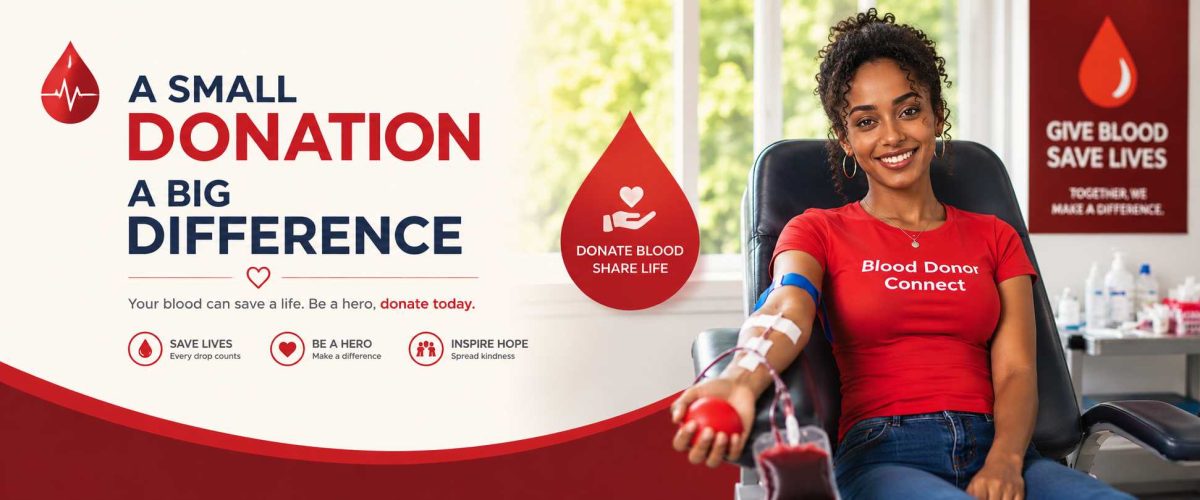
Across Africa, thousands of patients face life-threatening situations every day — from childbirth complications to road accidents — only to hear the heartbreaking words, “No blood available.” 🏥💔 Despite Africa’s growing population, blood donation rates remain critically low, and hospitals often struggle to maintain even basic reserves. The gap between blood demand and supply has become a silent emergency, costing countless lives that could easily be saved.
🚫 Why Blood Shortages Still Persist
The challenges go beyond a lack of donors. Many African countries face limited storage infrastructure, poor logistics, and weak donor databases. 🧊🚚 Blood collected in one region often cannot reach another due to transportation issues or expired shelf life. In rural areas, mobile blood drives are rare, and public awareness about the importance of regular donation remains low. Without efficient coordination, precious blood units go unused, while others wait helplessly.
📱 The Rise of Digital Health and Smart Donor Platforms
But there’s hope — and it’s digital. 💡📲 Across Africa, startups and health innovators are using technology to connect donors, hospitals, and patients in real time. Apps have transformed how blood is sourced and distributed. With a few taps, a hospital can request blood, and nearby donors get instant notifications. GPS tracking, SMS alerts, and automated scheduling systems make the process faster and smarter than ever before.
🤖 AI and Data: Predicting Blood Needs Before Crises Hit
Artificial Intelligence is changing the game 🧠✨. AI-powered tools analyze hospital data to predict upcoming shortages, track seasonal donation patterns, and even suggest ideal times for mobile blood drives. By forecasting demand, health systems can plan better and avoid emergency shortages. Some platforms use machine learning to match rare blood types instantly, ensuring critical patients get what they need — when they need it.
🩸 Donor Networks That Save Lives
Community-driven networks are rising across Africa 🤝❤️. Social media campaigns and mobile donation drives are turning blood donation into a social movement rather than a hospital task. Donor clubs in universities, workplaces, and faith groups are supported by apps that track donations, send reminders, and reward regular donors with digital badges or certificates 🏅. These networks don’t just supply blood — they build trust and awareness that lasts.
🌐 Blockchain for Transparency and Safety
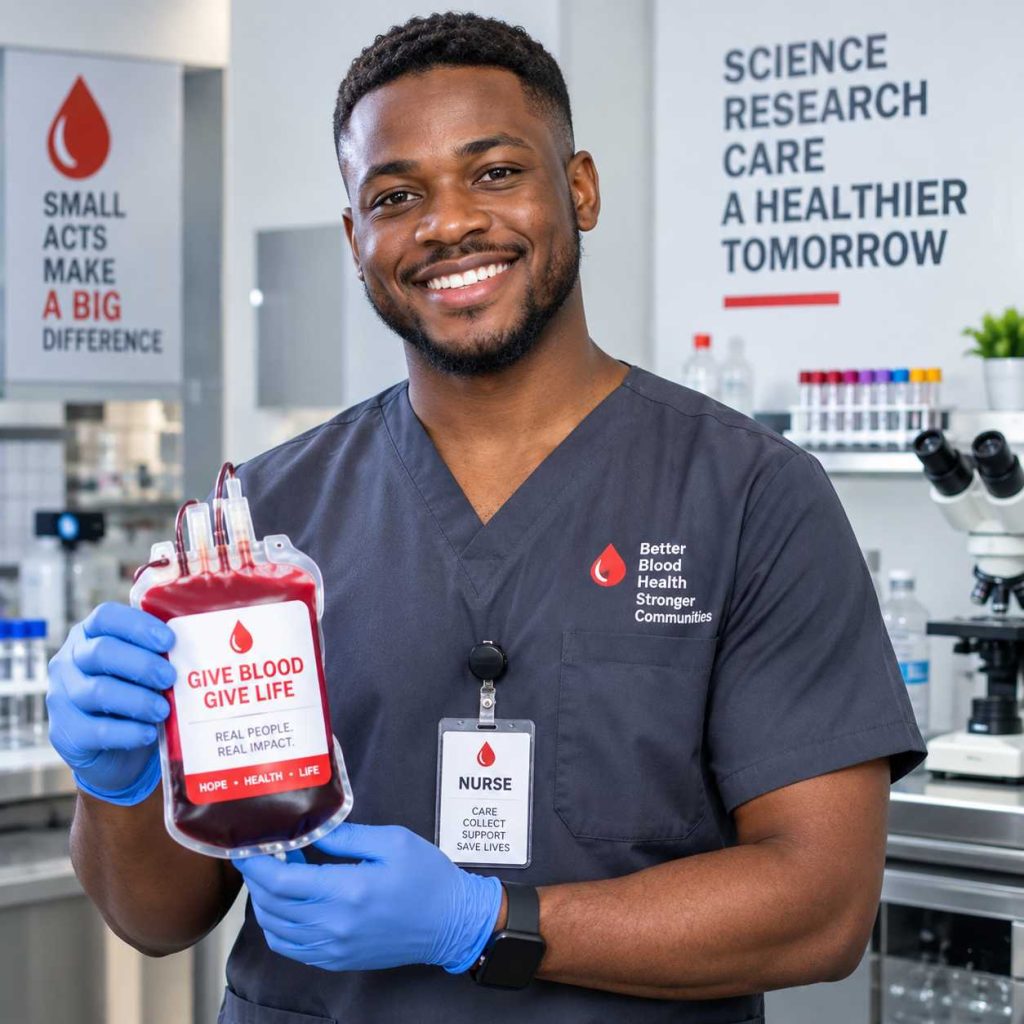
Counterfeit blood and poor tracking systems have been long-standing problems 😷🔗. But new solutions using blockchain technology are creating transparent supply chains. Each unit of blood can now be tracked from donor to recipient, ensuring safety, traceability, and accountability. Hospitals and blood banks can verify authenticity instantly, giving patients and doctors peace of mind.
🚀 The Future: Africa’s Tech-Driven Blood Revolution
Africa is proving that innovation doesn’t always need to start in Silicon Valley — it can start in Lagos, Nairobi, or Accra 💪🌍. From drones delivering blood in Rwanda to AI-driven donor prediction systems in Kenya, technology is saving lives faster than ever. As internet access and smartphone usage expand, digital blood donation ecosystems are set to become the new normal — ensuring no one dies due to lack of blood.
💖 A Call to Action: Be the Lifeline
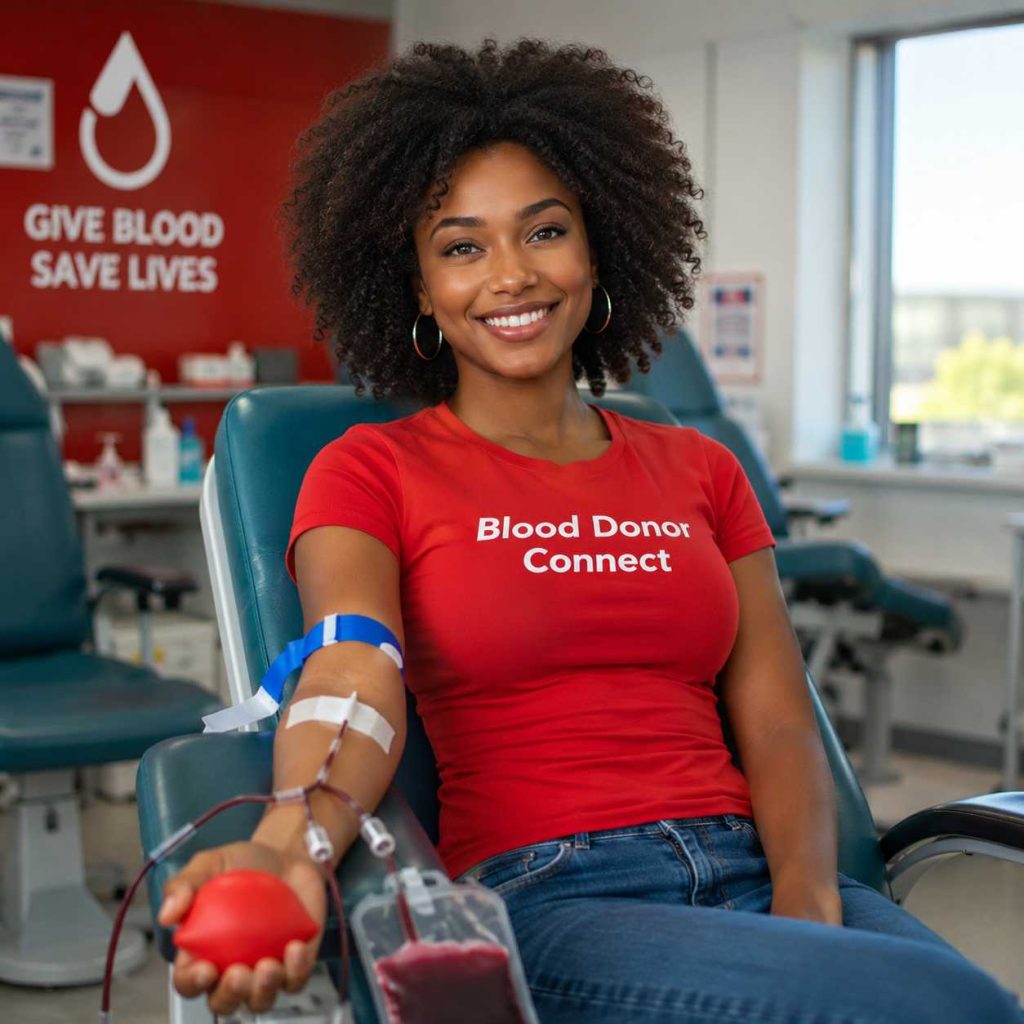
Every drop counts. Whether you’re a student, a professional, or part of a local community, your blood can be someone’s miracle. 🌟🩸 By joining a digital donor network or downloading a verified blood donation app, you become part of Africa’s life-saving tech revolution. Together, let’s make sure the words “no blood available” are never heard again. 💪❤️
We use cookies to ensure that we give you the best experience on our website. If you continue to use this site we will assume that you are happy with it.